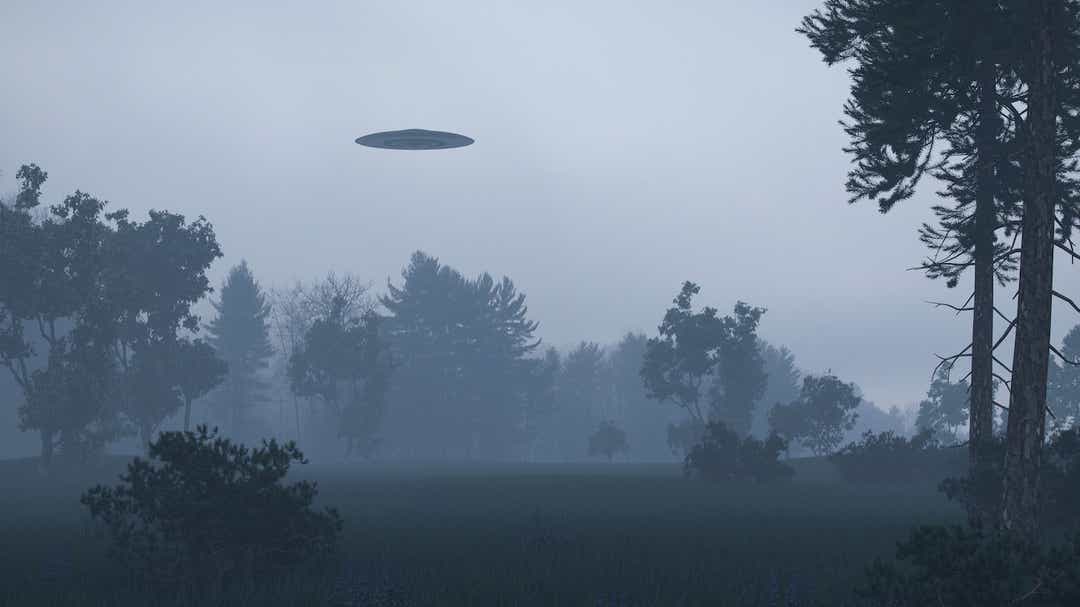
For decades, the topic of UFOs was really something to stay away from
for military personnel who might see something they don’t understand,
or for journalists, who might be ridiculed for pursuing something
considered a fringe conspiracy theory.Only very recently has that changed. And some people in Las Vegas have a lot to do with that.
For decades, the topic of UFOs was really something to stay away from
for military personnel who might see something they don’t understand,
or for journalists, who might be ridiculed for pursuing something
considered a fringe conspiracy theory.Only very recently has that changed. And some people in Las Vegas have a lot to do with that.
George
Knapp, an investigative journalist at KLAS-TV Channel 8 in Las Vegas,
has been looking into the phenomenon of UFOs, Area 51 and other
paranormal activity for 30 years.But, he told KNPR's State of Nevada that it wasn't until 2017, when
the New York Times published a report
about the government's secret program to investigate military sightings
of unidentified objects and released video showing what pilots had
caught on camera, that everything changed. "Right now, though,
is maybe the most exciting period in all the time that I've followed it,
starting with the December 2017 New York Times story that changed
things on a fundamental level," he said, "It changed the media
environment, which is very exciting." He noted that reporting on UFOs before the New York Times article didn't help a journalist's career. Reporting UFO sightings could also be a career killer for men and
women in the military. But now even that has changed, at least in the
Navy.
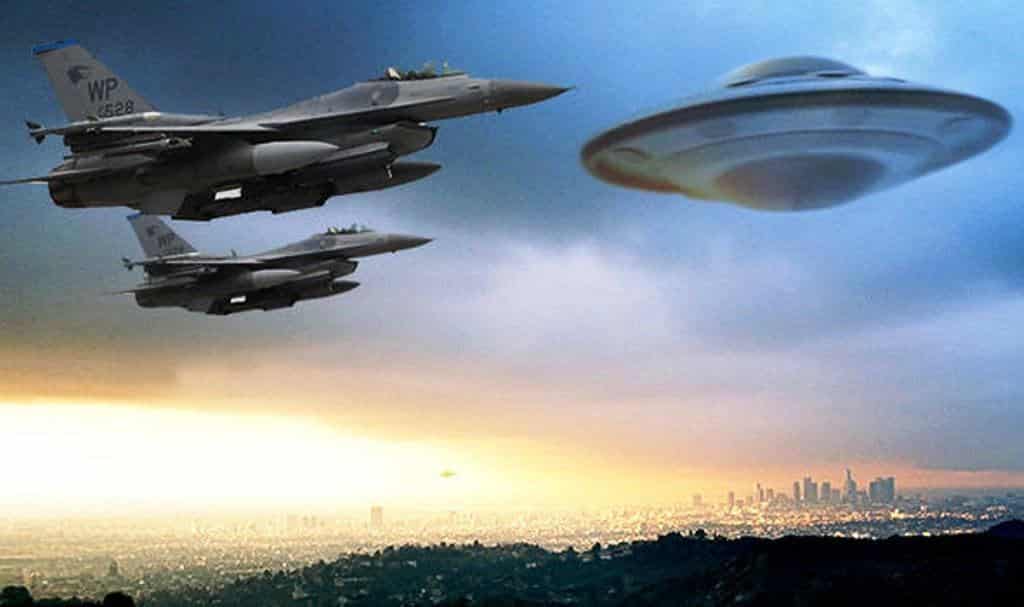
Last month, the Navy announced it would encourage pilots to report UFO sighings; that it wouldn't hurt their military careers. Knapp said the change is remarkable. "It
is amazing," he said, "This topic has been poison for the military for
so long. You basically couldn't trust anything that was said." Knapp
said the release of the official Department of Defense UFO videos
sparked all kinds of interest from people in government. He said at
first it was just congressional staffers asking questions about what was
real and what wasn't. "They started interviewing Navy pilots,
the aviators themselves, very credible people, credible witnesses, who
had backup data, radar data, about these encounters." He added
that those encounters, his sources tell him, are underway "on an almost
daily basis" off the coast of eastern United States. Now, members of Congress are asking questions about military encounters. Army
Col. John Alexander (ret.) has been tracking and studying UFOs for
longer than Knapp. He said a study he did 30 years ago came to the same
conclusions that more recent studies have found. "My guesstimate
is that there is about 6,000 flag-grade officers between the time of
Blue Book [a project in the '50s and '60s by the U.S. Air Force to study
UFOs] and now, probably, 7 to 10 percent of them have actually seen
UFOs. So, my question has been really: Why hasn't there been more
studies? "Alexander acknowledged it has not been a good military
career move to report UFO encounters. In addition, he said there are
factions within the Pentagon with strong religious beliefs that didn't
want to see this kind of study.
"The religious issue has popped up
in more than one area of phenomena where they've come out and said,
'Hey, you can do that but it's the work of the devil - hands off,'" he
said. The idea that these unidentified craft might pose a security
threat, he added, is one elected officials are starting to grapple
with. No one knows what they really are. "Since this current
media wave has started, I've seen at least a hundred interviews with
skeptics and debunkers and some ufologist who don't like all the
attention that it's getting... and they all say the same thing, 'Well
just because they're unidentified doesn't mean they're space aliens.'
Well - Duh!" Knapp said. Knapp speculated about where the craft
might come from, but concluded that no one has enough information right
now to say anything with certainty.
Joe Schoenmann